Why use dust suppression cannons in waste management?
In the context of waste management, landfills and disposal sites represent crucial nodes. However, these sites are often associated with significant environmental problems, including the emission of dust and unpleasant odours. These problems not only threaten public health and the surrounding environment, but also call into question the effectiveness of waste management practices. Addressing these problems has become an imperative priority to ensure sustainable waste management and protect the well-being of local communities.
The presence of dust in landfills and waste management sites is a widespread and worrying phenomenon. This dust, generated by the handling of waste, can contain a wide range of harmful substances, including heavy metals, volatile organic compounds and other polluting particles. When this dust is lifted into the air, it can be carried over long distances, increasing the risk of contamination of the air and of surrounding water bodies. This can have serious consequences for human health, causing respiratory problems, skin irritation and potential long-term health effects.

Similarly, the odours emitted from landfills and waste management sites are a major concern. These odours, often resulting from the anaerobic decomposition of organic waste, can be extremely annoying and disturbing to surrounding communities. In addition to their unpleasant nature, odours can also indicate the presence of hazardous chemicals in the air, further increasing risks to public health and the environment.

To effectively address these problems, a number of preventive and control measures need to be taken. Firstly, it is crucial to invest in innovative waste management technologies and practices that minimise the generation of dust and odours. This could include the implementation of waste cover systems, the separation and treatment of organic waste, and the use of advanced composting and recycling techniques.
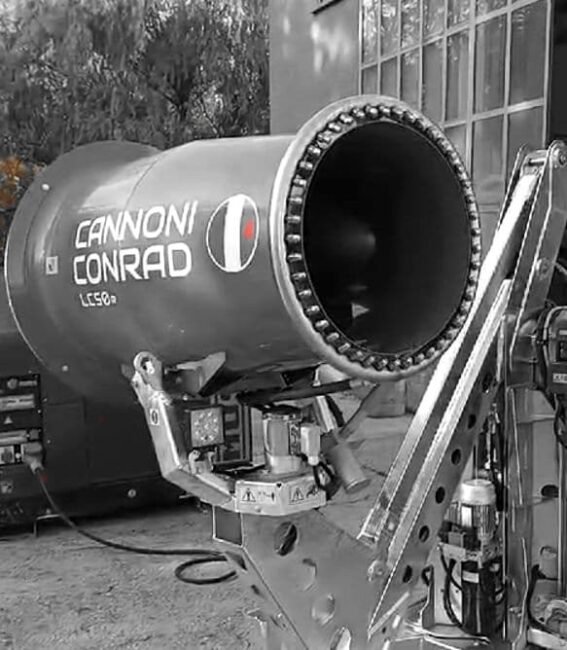
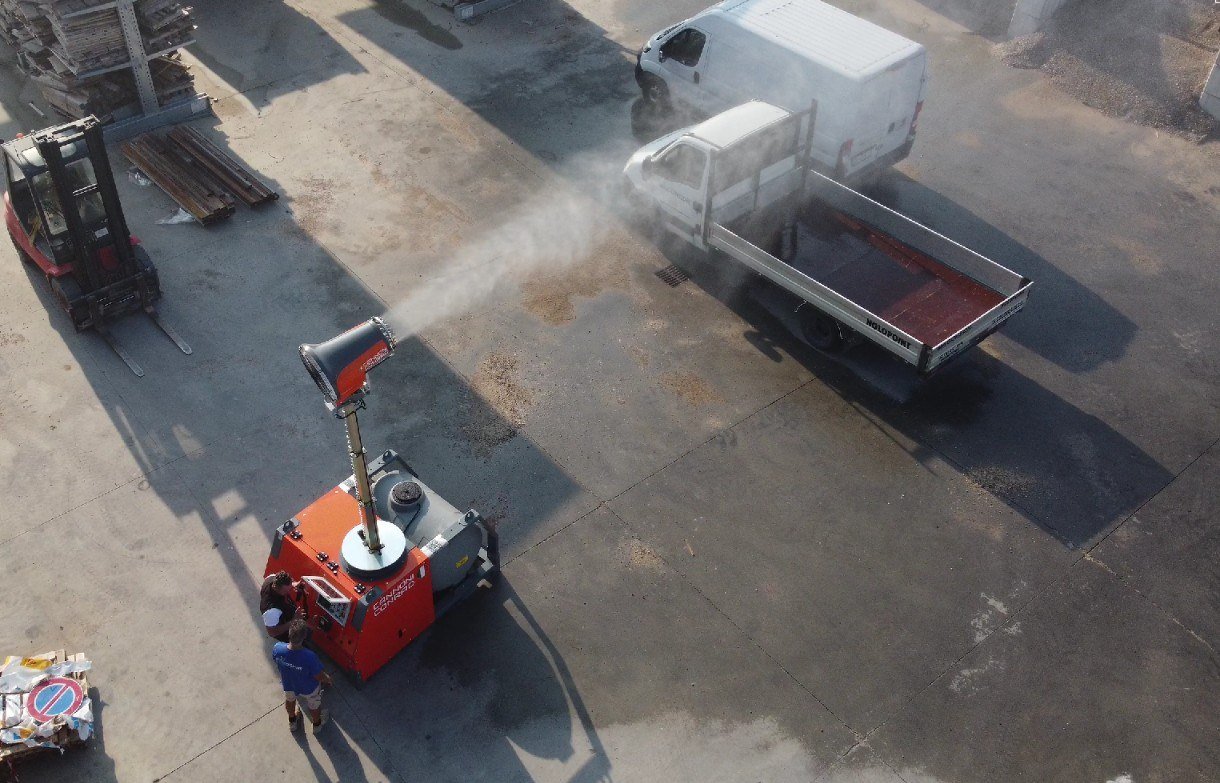
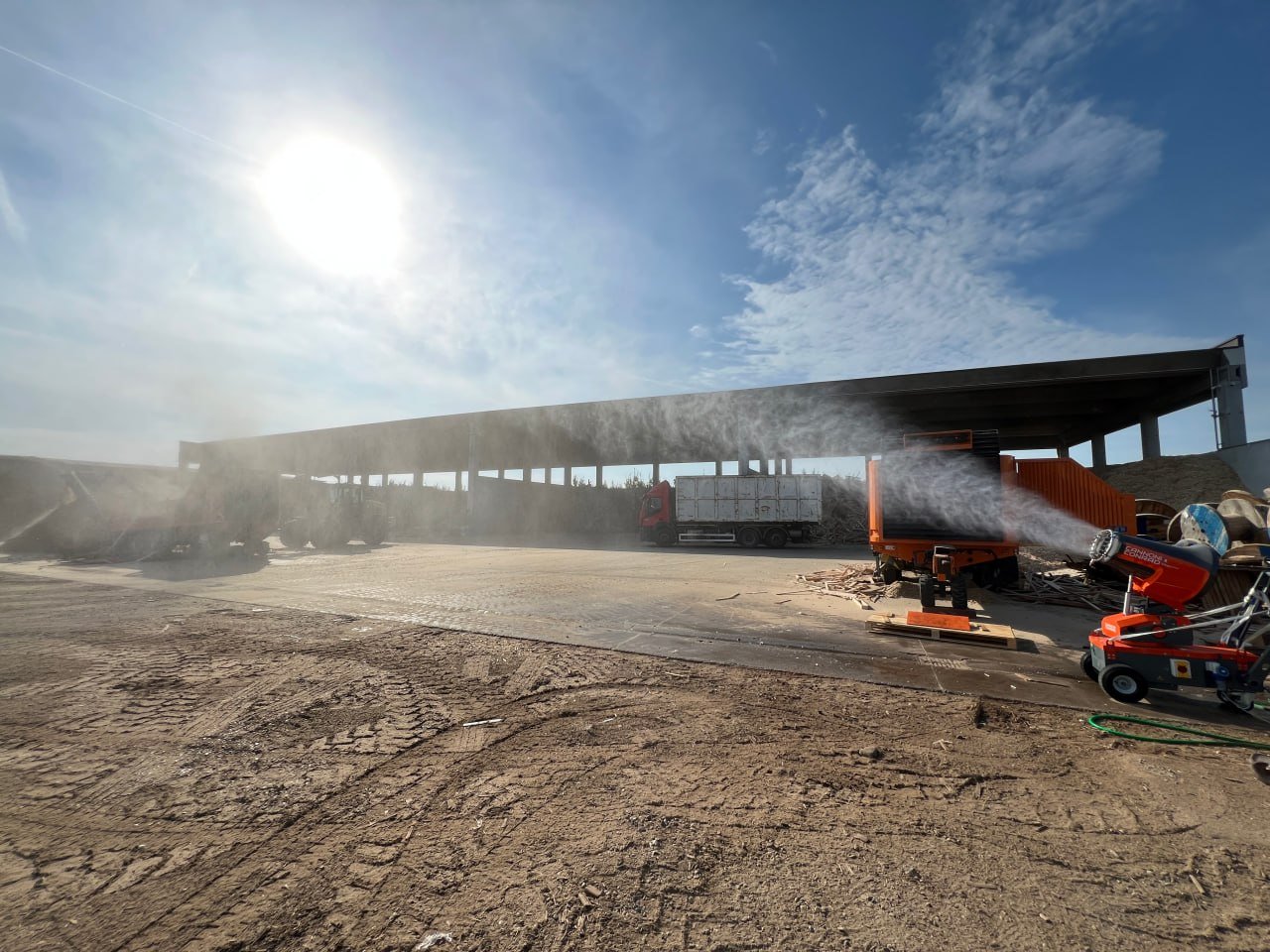
Furthermore, the use of emission control devices, such as the dust suppression cannons, can play a crucial role in mitigating the effects of dust and odours in landfills and waste management sites. These devices spray water in the form of a fine mist into the air, humidifying and trapping dust particles and neutralising unpleasant odours. Integrating these technologies within waste management operations can significantly contribute to improving air quality and reducing negative impacts on health and the environment.
Benefits of dust suppression cannons in landfills
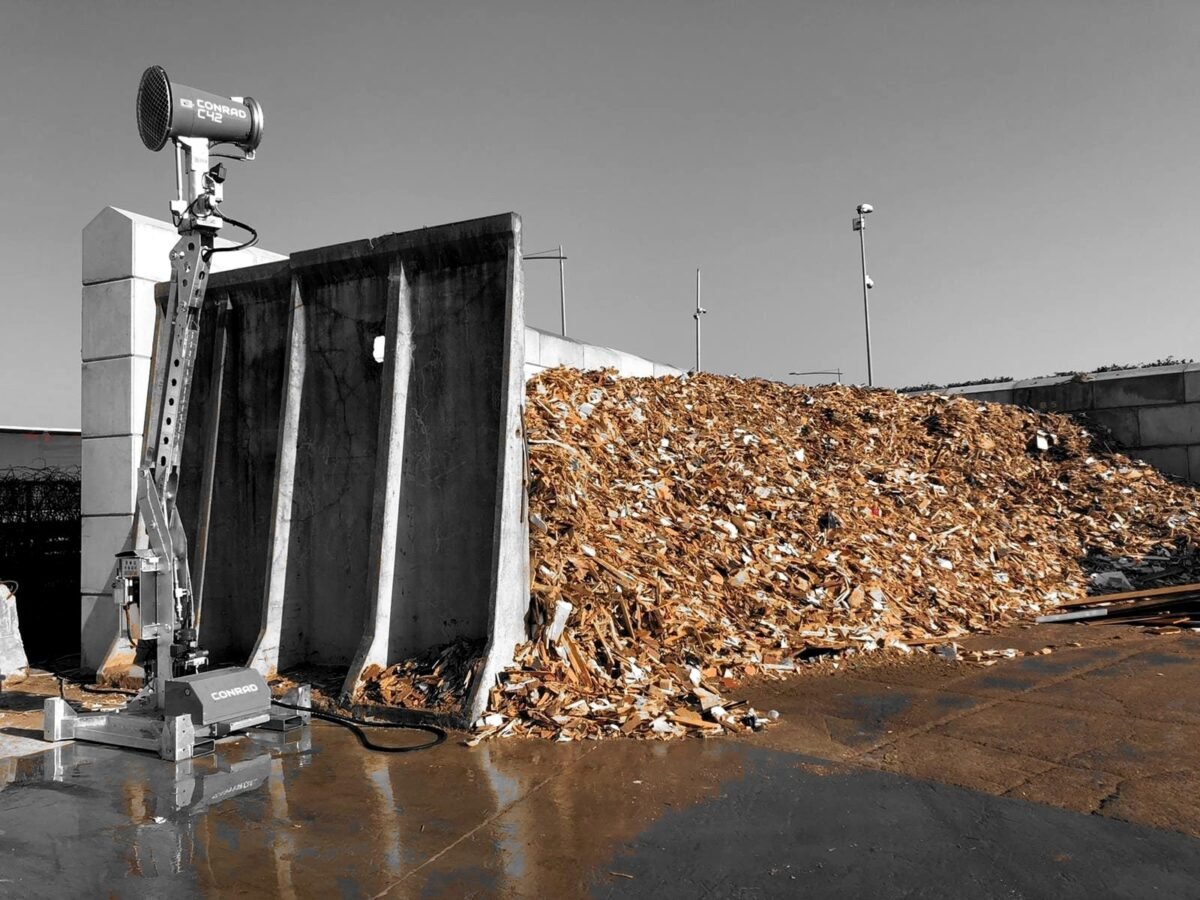
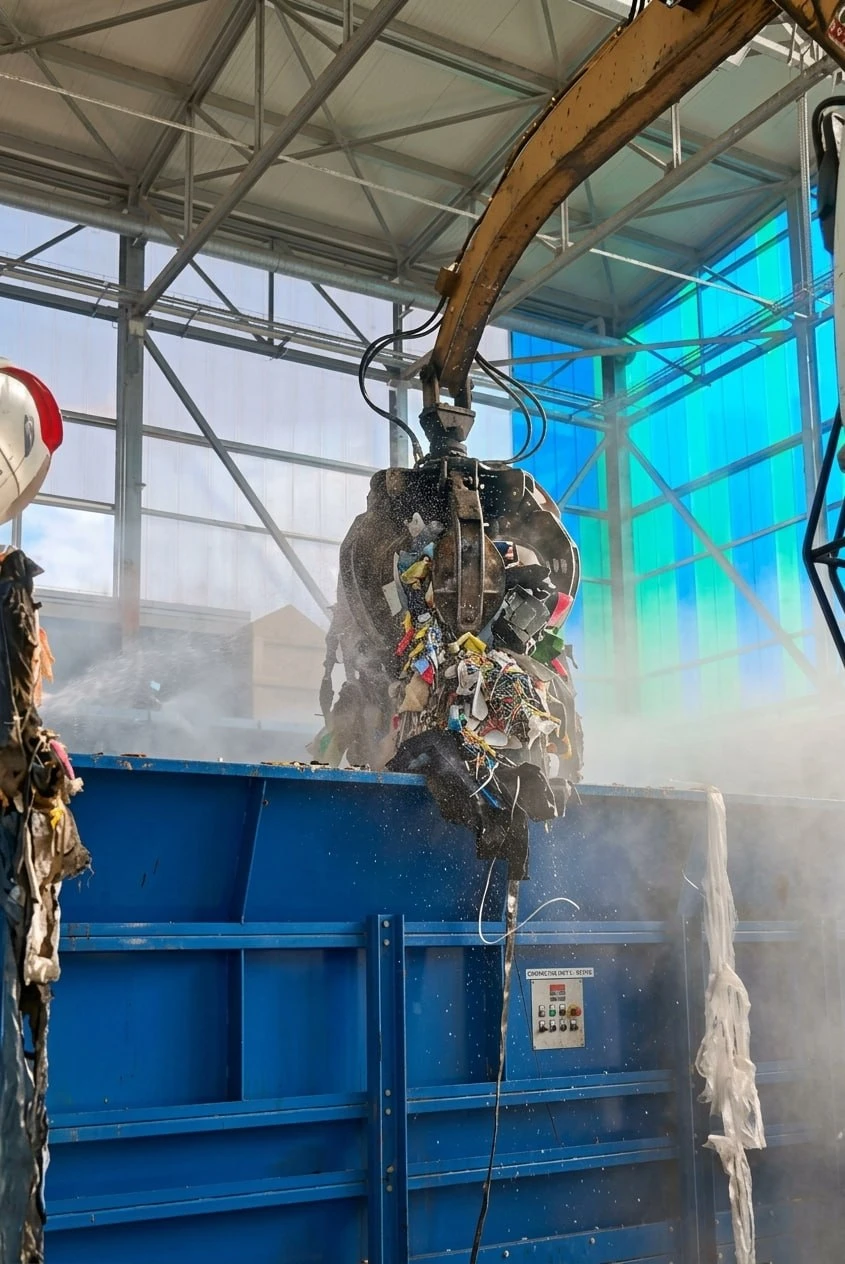
Dust control: Landfills can generate large amounts of dust due to the movement of material, waste unloading operations and weather conditions. Dust suppression cannons spray water into the air as a fine mist, which moistens and weighs down the dust, reducing its dispersion into the surrounding environment.
Odour control: Landfills can give off unpleasant odours due to the decomposition of organic waste. Dust suppression cannons can be used to spread odour-neutralising substances or simply to reduce odour by diluting the surrounding air with clean water.
Fire prevention: Under certain conditions, waste in landfill sites can become flammable and cause fires that are difficult to extinguish. Keeping the material damp using dust suppression cannons can reduce the risk of fires and help to control them should they occur.
Temperature control: High temperatures can accelerate the decomposition of organic waste and potentially increase the risk of fire. Using dust suppression cannons to keep the area damp can help to control the temperature and slow down decomposition.
Overall, the use of dust suppression cannons at landfill sites is intended to improve environmental management and operational safety, whilst reducing negative impacts on human health and the surrounding environment.
Below is a photo gallery of some of our projects in the waste management sector:

Compost - Cagliari
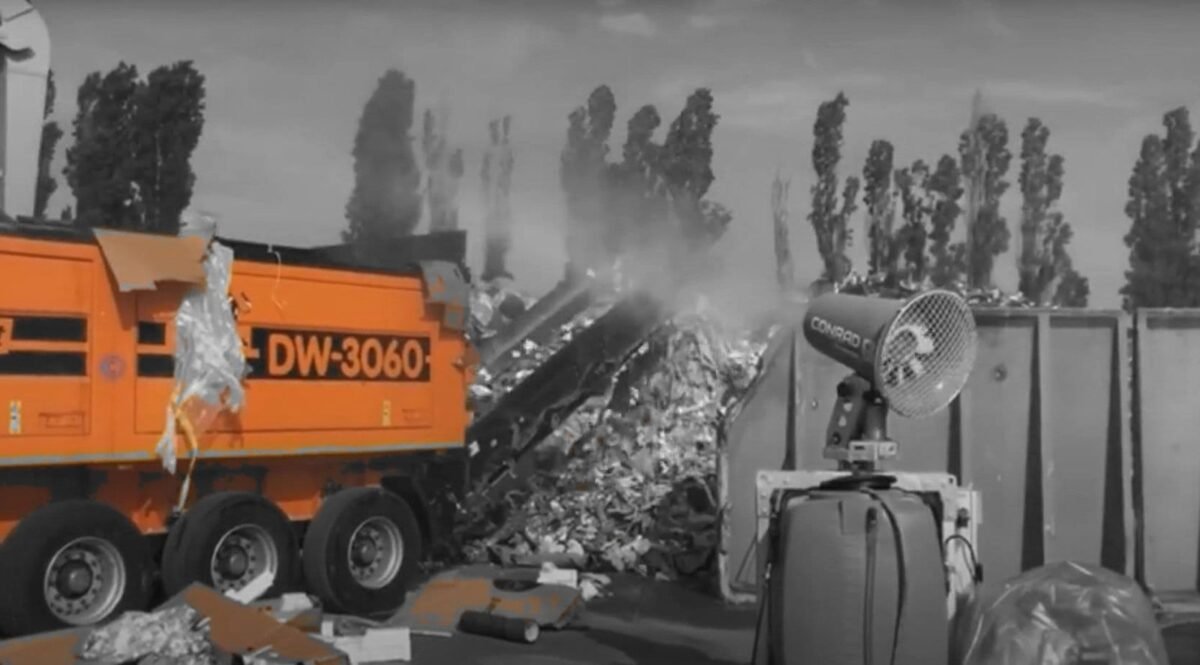
Landfill - Cremona

Wood Waste - Rome

Landfill - Bologna

Compost - Cuneo

Shredding - Curtain misting system - Bologna

Compost - Milan
Environmental and operational benefits of odour control
Suppressing dust and odours not only protects the health of operators and neighbouring communities, but also supports operational efficiency.
The weighed-down particles settle, reducing dispersion and build-up on equipment. In addition, odour neutralisation improves visual and olfactory comfort, making sites more compliant with environmental regulations and socially responsible.